

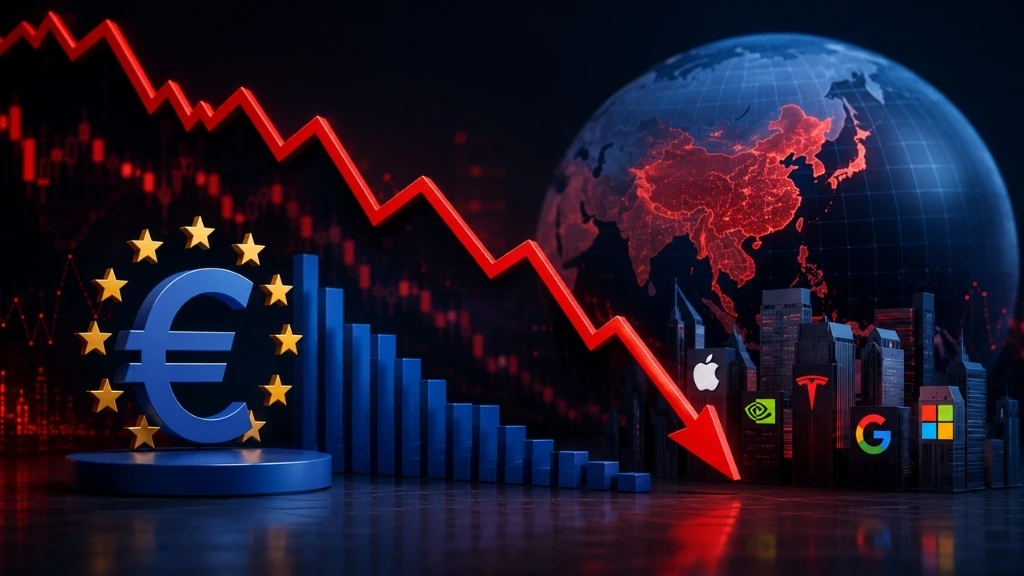
European shares observed a decline on Thursday, July 16, 2026. With issues such as the latest financial reports, merger activity, and heightened tensions in the Middle East that keep energy prices and inflation expectations under focus. The Stoxx 600 declined 0.4% to 640.17 points, and Germany’s DAX index was down by 0.5% to 10,463.05 points as per the figures from Google Finance.
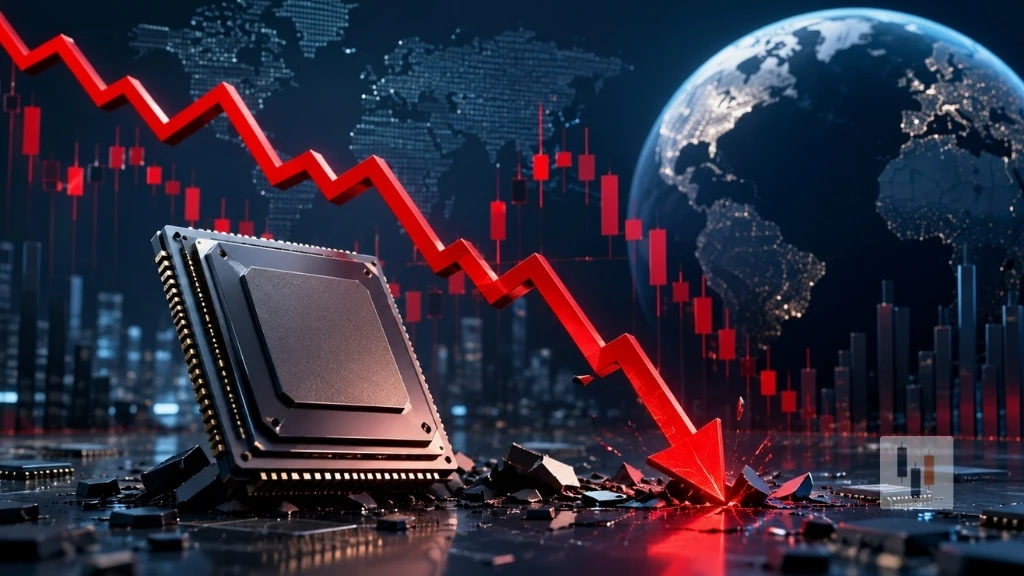
The weak tone in Europe followed a sharp sell-off across Asian markets, where chip and tech stocks took a heavy hit. Moreover, Asian market shares also fell on Thursday as a sell-off in chipmakers overshadowed strong earnings from TSMC (Taiwan Semiconductor Manufacturing Company), with South Korea’s Bank of Korea also hiking rates for the first time in three-and-a-half years, adding to pressure on risk assets.
Asia Takes the Bigger Hit
The bigger damage in Asia came from semiconductor and technology names, which have been under strain after a strong run. AI-related memory stocks tumbled after concerns over AI overcapacity, with SanDisk falling around 15%, while Samsung Electronics and SK Hynix also posted sharp losses. Analysts say the selloff was driven more by leveraged trading and profit-taking than by a collapse in long-term AI demand.
Asian market shares were dragged lower by chipmaker losses, while European markets started the day more cautiously after the regional tech retreat. The Bank of Korea’s rate hike to 2.75% also tightened financial conditions and reinforced worries that central banks are still willing to lean against inflation.
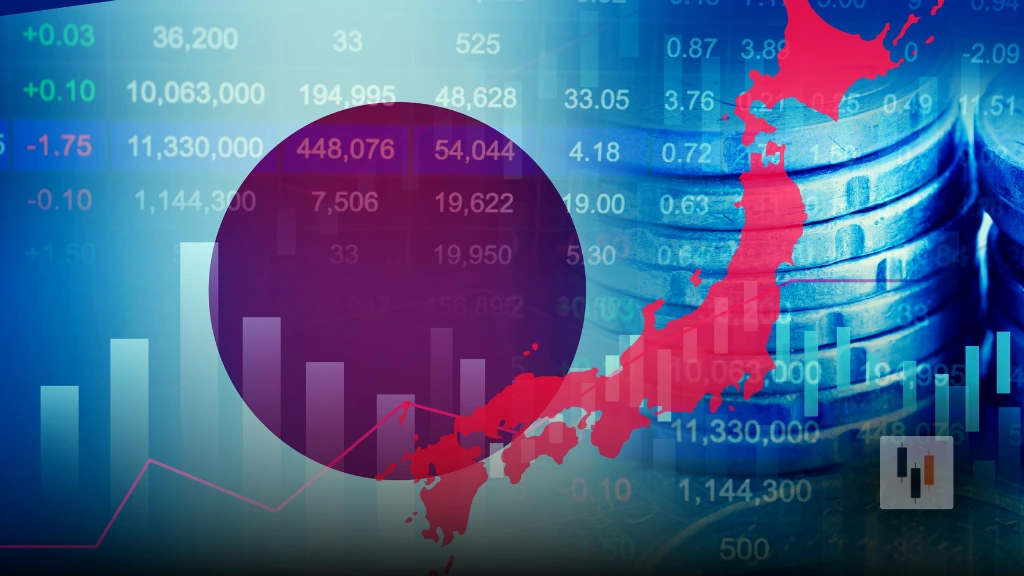
The scale of the wipeout was large enough to shake sentiment well beyond the region. Moreover, South Korea’s KOSPI tumbled 6.37%, Japan’s Nikkei fell 2.79%, China’s SSE fell 2.2%, and Taiwan lost 1%, with total damage in Asian equities said to exceed $600 billion. Moreover, Asian chipmakers have been especially vulnerable as investors question whether AI-linked valuations have run too far ahead of fundamentals.
Oil Keeps Pressure On
Energy markets remain the key variable for traders. Brent crude near $85 a barrel is keeping inflation nerves alive, especially because Europe is more exposed to imported energy than many other regions, and Reuters reported that oil prices have been supported by intensifying Iran-U.S tensions. This matters because higher crude can feed straight into transport, manufacturing and consumer costs, making it harder for central banks to declare victory over inflation.
At the same time, cooler U.S. inflation data has reduced pressure on the Federal Reserve to move aggressively in July, which has helped steady some parts of the market. But this relief is fragile, because renewed conflict in the Middle East can quickly reverse the mood if it pushes energy prices higher.
Gold Loses Shine
Even gold, which traditionally is considered to be the classic safe-haven asset, lost ground in spite of the geopolitical situation. The price of gold dropped on Thursday because the tension in the Middle East has made investors worry that the Fed may yet increase interest rates this year. This indicates that at the moment there is a split for gold.
This split tells the story of the market right now. Investors are not just worried about war headlines, but also about what these headlines could do to inflation, bond yields, and central bank policy.
Market Mood Ahead
For now, Europe is trading in a very cautious zone, with earnings season and M&A news offering some stock-specific support, but not enough to fully offset macro risk. The market is also still digesting the global tech pullback, which is hitting confidence in the AI trade and lifting volatility across semiconductor-heavy indexes.
Traders are asking two big questions at the moment: can company profits justify current valuations, and can the world avoid an energy-driven inflation shock? Until the answers to these questions are not clear, the mood is likely to stay choppy, with rallies running into quick bursts of selling.