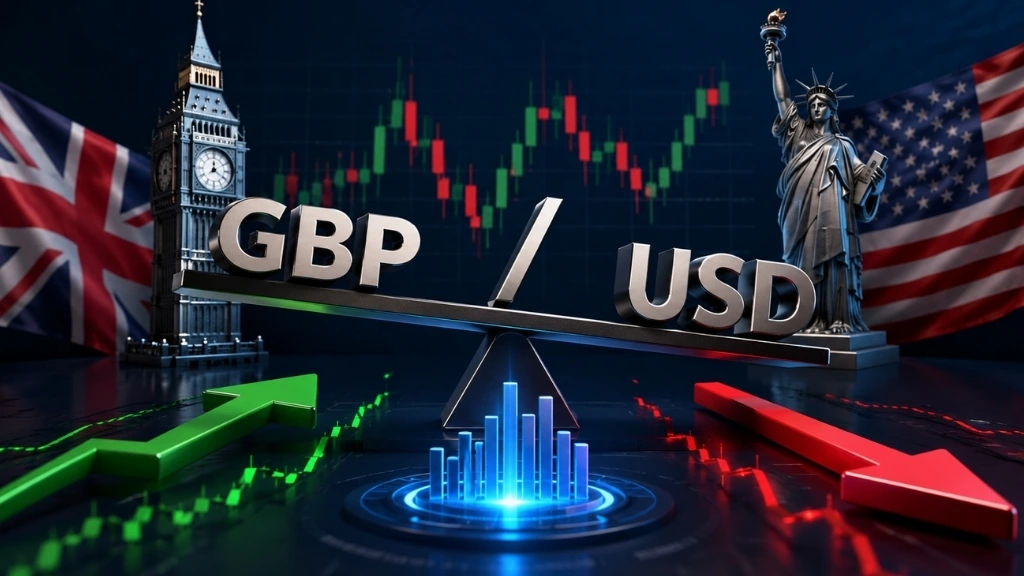


Markets reacted on Monday, July 20, 2026, as a sharp rise in oil prices and easing investor fears knocked the dollar off a recent winning streak. The dollar index, which tracks the greenback against six major currencies, slipped 0.1% to 100.69 after three straight days of gains that followed last week’s escalation in the Middle East.
Risk-on Mood Lifts Other Currencies
Investors showed renewed appetite for riskier assets, supporting currencies like the Australian dollar and the pound. The euro rose 0.1% to $1.1444 ahead of the European Central Bank’s meeting later this week, while the British pound inched up to $1.3463 as political shifts in the U.K. grabbed attention. The Australian dollar climbed 0.2% to $0.6996 and the New Zealand dollar gained 0.3% to $0.5858.
“Buyers are coming in and supporting some of the riskier currencies,” said Fabien Yip, market analyst at IG in Sydney. “We’re seeing a bit of a rebound in the riskier currencies like the Aussie, while sterling has also strengthened a little bit,” she said. “It’s not so much the dollar weakening, as support for other currencies.”
Yen Quiet, China Stays Steady
The dollar held steady near 162.34 yen in thin trading as Japan observed a holiday. Offshore, the dollar eased 0.1% versus the Chinese yuan to 6.772 after Beijing left benchmark lending rates unchanged for the 14th month in a row- a move that matched market expectations and helped calm yuan traders.
Oil Pump Raises Cost and Policy Worries
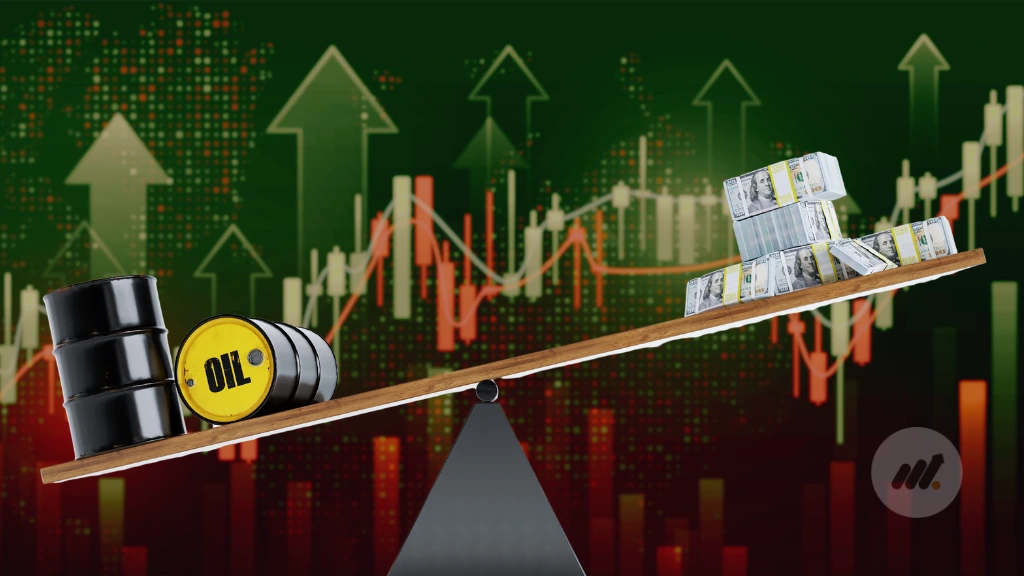
The energy markets are the one that have clearly stolen the spotlight. Brent crude soared more than 2.6% to about $90.37 per barrel. These numbers are the highest since early June amid reports of strikes in the region and claims of tanker attacks near the Strait of Hormuz.
Later intraday reads showed Brent trading around $91.4 after Iran claimed it struck two ships (an escalation that pushed shipping risk and supply fears back into the headlines).
Higher oil matters for consumers and central banks. The U.S. pump prices are already climbing, with the national average near $3.99 per gallon, and any sustained rally could feed into inflation measures that policymakers watch closely.
Traders are also watching shipping volumes: vessel crossings through the Hormuz have significantly dropped, and reports note fewer LNG tankers passing through the same choke point.
Fed Expectations, Policy Debate
Markets see the Federal Reserve as likely to pause at its July 29 meeting. Fed funds futures price about 85% chance of no change, a big shift from a month ago. Still Fed officials are signalling mixed views.
Cleveland Fed President Beth Hammack recently argued that rates might need to rise if inflation stays stubborn, hinting at a lively debate at the central bank’s next gathering and the potential for dissent when Kevin Warsh chairs his second meeting.
Crypto: Steady with a Slight Uptick
Cryptocurrency markets showed mild gains. At the time of writing, Bitcoin was up roughly 0.2% near $64,638 and Ethereum rose by about 0.4% to near $1,873 as per CoinGecko. Digital assets seemed to follow the broader calm where they are not immune to geopolitical risk but they are not moving wildly either.
Street Takes and a Warning
Market voices are divided. Some traders shrug and say that equities are holding, AI spending remains the main growth engine, and a week of higher oil will not rewrite the macro script. Others warn the move is more than just noise. A $20 swing in oil within days can alter the inflation outlook and reprice rate-cut expectations. Liquidity in strategic oil reserves is thin, and shipping disruption is back on the table, factors that could keep upward pressure on prices.
Final Opinion
The tug-of-war between higher oil and steady risk appetite creates a tricky backdrop for markets. If crude continues climbing toward the mid-$90s, central banks may find it harder to stay patient on rates. For now, the dollar’s pullback looks like a pause, not a pivot. According to various analysts, oil prices and key shipping lanes will likely determine whether the market move remains short-lived or develops into a broader repricing.