
Asian equities rebounded on Friday, led by South Korea’s KOSPI as technology stocks regained ground. Most major regional benchmarks remained on track for weekly losses as traders weighed rising global bond yields, higher oil prices and concerns over US fiscal conditions. U.S. Treasury yields rose again following a brief respite after Wednesday’s buyback announcement. This happened with the 10-year yield near 4.7% and the 30-year yield around 5.3%. Wall Street closed lower overnight as higher yields, rising oil prices and US debt concerns weighed on sentiment.
Treasury Secretary Scott Bessent hinted that future Treasury buybacks could exceed the planned $4 billion per operation and pointed to a wider fiscal consolidation strategy. Investors remain doubtful the measures will be enough to address a US budget deficit above 6% of GDP and annual interest cost of roughly $1.2 trillion.
South Korea Leads Asian Rebound as Tech Stocks Recover
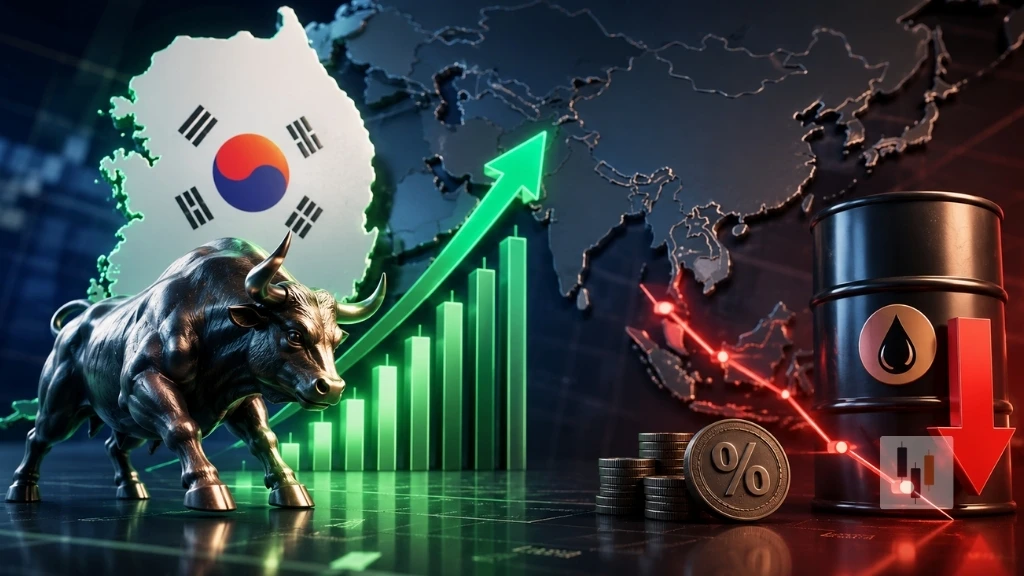
South Korea’s KOSPI reversed earlier losses to close up 0.88% on Friday, although the benchmark remained about 1% lower for the week. The rebound followed a 5.89% surge on Thursday as investors returned to semiconductor stocks. SK Hynix gained around 3% on Friday and was approximately 7% higher for the week. Samsung Electronics was also 2% higher for the week.
The two companies have remained major drivers of KOSPI’s volatility amid corporate shareholder return developments. SK Hynix announced a 40 trillion won, roughly $28.7 billion, share buyback, while Bloomberg reported Samsung was preparing a shareholder-return package of up to 110 trillion won. The developments have helped restore some purchasing interest in South Korean technology stocks even as wider regional markets remain under pressure from global macroeconomic concerns.
Japan’s Nikkei 225 moved in the opposite direction, falling around 0.8% on Friday and roughly 4.4% for the week. Rising Japanese inflation has created tension on the Bank of Japan’s next policy move. Japan’s July core CPI rose 1.8% year over year, strengthening expectations that the BOJ could raise interest rates as early as September. The prospect of tighter policy adds another source of uncertainty for Japanese equities after the Nikkei posted one of its weakest weekly performances among major regional benchmarks.
Hong Kong Outperforms as Oil and Yields Weigh on Asia
Hong Kong’s Hang Seng was a notable weekly performer, gaining around 3% for the week and ending a two-week losing streak. However, Friday trading remained sensitive to movements in global technology stocks. Alibaba’s share plunged around 3% after the company reported a more than 75% drop in quarterly profit. Its capital spending increased 75% to nearly $10 billion as the company continued investing in AI infrastructure. Henderson Land, meanwhile, gained more than 7% following stronger-than-forecast results.
Elsewhere in Asia, Indonesia’s Jakarta Composite rose around 0.5% on Friday and was on track for a weekly gain of more than 2%. Bank Indonesia kept its seven-day reverse repurchase rate on phase at 5.75% on Wednesday, in line with expectations. India’s Nifty 50 was higher at the open but remained around 0.4% lower for the week. Australia’s S&P/ASX 200 fell 0.4%, while China’s CSI 300 rose 0.5% and the Shanghai Composite was little changed. The regional picture is uneven, with tech stocks supporting some markets while higher borrowing costs, inflation and energy prices weigh on risk appetite.
#SouthKorean shares rose on Friday, supported by gains in major chipmakers after U.S. semiconductor stocks advanced in the previous session. However, the benchmark was still headed for a weekly decline, Reuters reported.#ETMarkets
Read more here https://t.co/K7OEbqAguu
— ETMarkets (@ETMarkets) August 21, 2026
Oil prices have added another pressure. Brent crude reached a month high of $94.71 before easing to around $93.12, leaving it more than 5% higher for the week. Limited progress in Middle East diplomacy and fresh U.S. pressure on Iran, including threats of tougher sanctions, have reduced hope for a better reopening of the Strait of Hormuz. With energy prices elevated, investors are watching the likely impact on inflation and interest rates.
Attention now turns to Nvidia’s earnings and next week’s Jackson Hole symposium. Both could give important signals on the tech trade, interest-rate expectations and the direction of global markets, as investors weigh higher yields, costlier oil and fiscal strain.