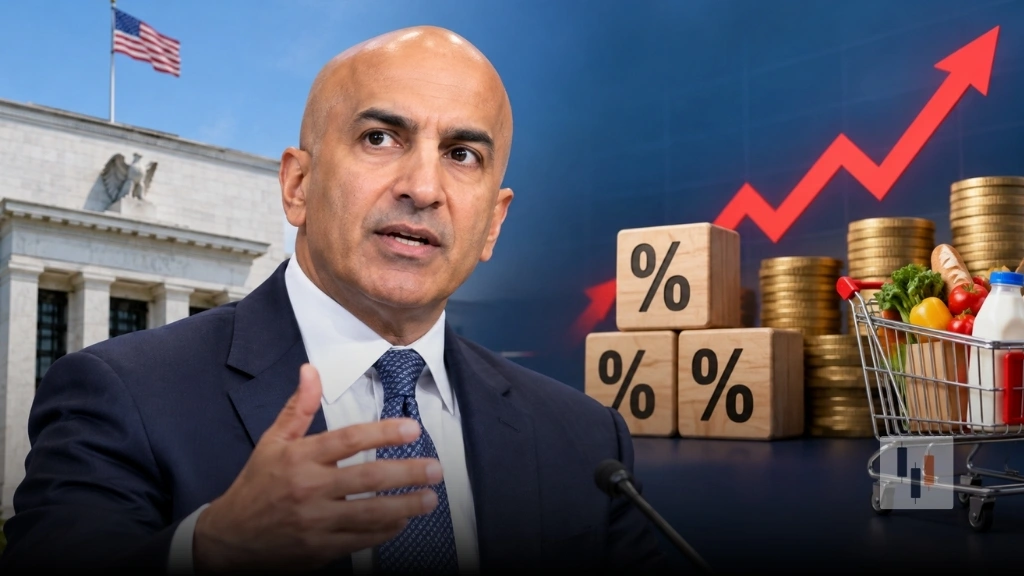

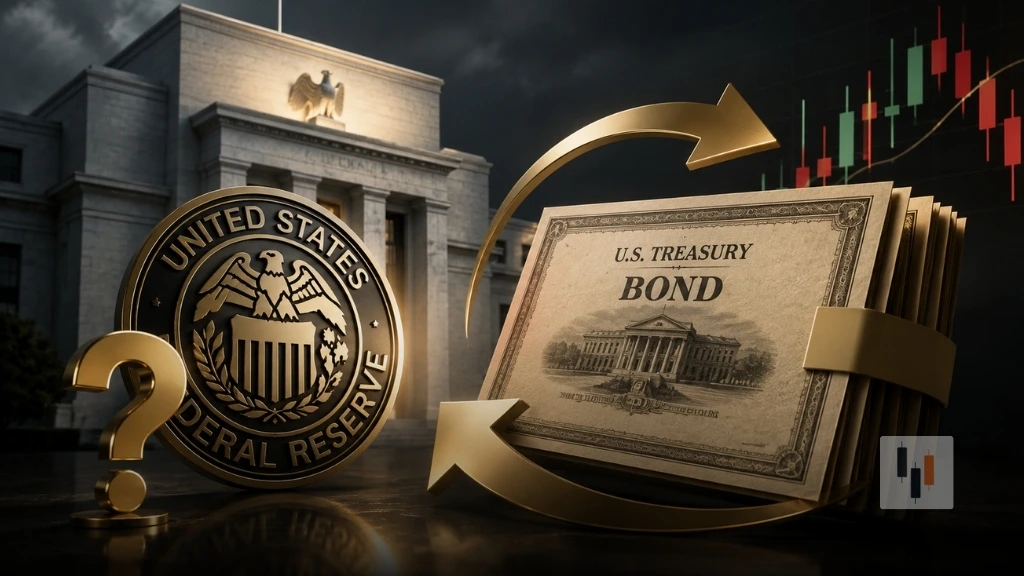
The U.S. Treasury’s decision to double its buybacks of longer-term government debt is putting the relationship between Treasury policy and Federal Reserve activity in focus. The Treasury said it will at least double the maximum size of its buyback operations, from $2 billion to at least $4 billion, targeting maturities from 10 to 30 years. The expansion runs from September 9 through November 4. The move follows a rise in long-term borrowing costs that has pushed up credit costs across the economy. The announcement is already affecting the bond market. Treasury yields, which move inversely to bond prices, fell after the announcement. The 10-year closed down 5.7 basis points at 4.647% and the 30-year fell 9 basis points to 5.196%. It raises a larger question about whether the Treasury now has more influence over credit conditions while the Fed focuses on inflation, short-term rates and its balance sheet.
Treasury Steps into the Long-Term Bond Market
The Treasury’s expanded buyback plan targets longer-dated debt where borrowing costs are rising. These long-term Treasury yields matter because they influence real-world borrowing costs. The debt targeted for increased buybacks is important for mortgages and corporate loans, so rising long-term borrowing costs make credit more expensive for households and businesses. Yields dropped after the news, but the announcement didn’t remove the forces pushing those yields higher. Inflation concerns, government borrowing needs and corporate borrowing for AI infrastructure are all still in play.
What the government is doing now is the equivalent of holding a 30-year mortgage at a 3% interest rate and refinancing it into a 4% one-year adjustable-rate mortgage.
In other words, you are replacing longer-term, lower-cost debt with shorter-term, higher-cost debt.
Now apply… https://t.co/SLNs0Mgr6b
— The Kobeissi Letter (@KobeissiLetter) August 19, 2026
The 30-year yield reached a 19-year high this week, driven by inflation concerns, government borrowing and corporate borrowing for AI infrastructure. Treasury’s buybacks can help lower those yields or at least keep a limit on them. Daleep Singh, chief global economist at PGIM and former Fed and Treasury official, said Treasury’s move points out a real issue but doesn’t really offer any credible fix.
Kevin Warsh Faces a Harder Path on Inflation
The Treasury’s move raises policy questions because the Federal Reserve typically uses asset purchases to influence longer-term borrowing costs. Since the 2008 financial crisis, the central bank has used asset purchases to steady markets and hold down long-term rates. Fed Chairman Kevin Warsh has long criticised asset purchases as a policy tool and has made shrinking the Fed’s $6.7 trillion balance sheet a priority. Warsh has floated a Fed-Treasury accord to coordinate approaches to government debt and the balance sheet. If the Fed decided to buy bonds and force long-term yields lower, that would amount to monetary easing, which sits awkwardly against a Fed focused on inflation that has run above its 2% target for five years. Traders currently see little reason for Fed intervention. Gennadiy Goldberg, head of US rates strategy at TD Securities, said the bar for market-stabilising purchases is high, and there aren’t signs of liquidity problems or market dysfunction. Michael Feroli, chief U.S. economist at J.P. Morgan said he hasn’t seen Treasury’s move affect the Fed’s ability to control short-term rates.
Also read: Strong 30-Year Bond Sale Steadies Japan’s Market, but Fiscal Doubts Persist
Warsh and the Fed’s Balance Sheet
Warsh cares about the Fed’s holdings because he thinks the central bank owns too many bonds which messes with market pricing. He wants the Fed to own fewer holdings, though he admits it’ll take time given how complicated the process is. At his first FOMC meeting as chairman on June 17, Warsh announced five task forces reviewing Fed operations, including one examining the balance sheet and the ample reserves regime. Changes to banking rules could let banks hold less emergency liquidity, which may require the Fed to intervene more often during periods of stress.