

Key highlights:
- France is facing growing pressure from investors to fix government spending and public finances before the 2027 presidential election.
- The country’s 10-year bond yield briefly jumped above 5%, hitting a 24-year high, while the euro dropped below $1.12.
- Angel Ubide from Citadel said France is not a big risk for Europe right now, but because it is so large, a deeper crisis could impact the entire euro zone.
- Marine Le Pen has promised €140 billion in savings if she wins a five-year presidency, but economists remain doubtful about whether cuts of that scale can be delivered.
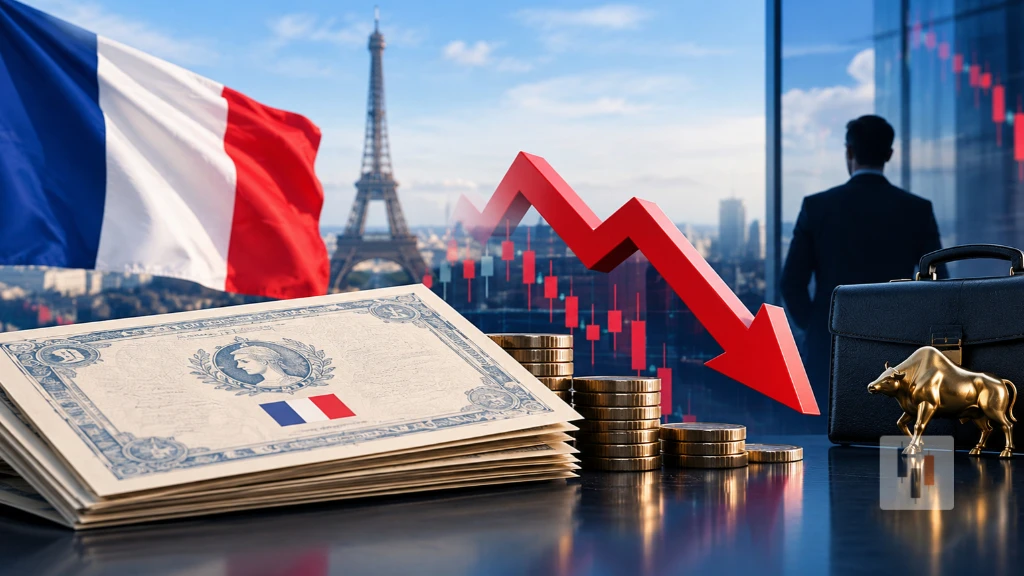
France is struggling to prove it can handle its public finances as investors ask for higher returns to keep its government debt. This pressure has gotten worse because of a global bond selloff, and concerns about France’s weak fiscal situation have also pulled down the euro. All these moves in the market have made the country’s borrowing costs a real concern as France heads into an important political period.
Angel Ubide, who leads Economic Research for Fixed Income & Macro at Citadel, said the financial markets are letting French leaders know there is not much room for fiscal mistakes. Citadel manages $76 billion in assets. Ubide said this market reaction could push leaders in Paris to be stricter with spending, especially with the 2027 presidential election coming up.
Bond Market Pressure Puts France Under the Spotlight
French borrowing costs are rising sharply, showing how worried investors are. France’s 10-year government bond yield went above 5% last week, the highest it has been in 24-years. For a country with fragile public finances, these higher borrowing costs make it even harder for the government to improve its fiscal situation. These bond market changes have affected the euro too. The currency fell to a 17-month low below $1.12 on Monday, and it weakened against the British pound, Swiss franc, and Japanese yen. Now people are worried that issues in France’s debt market could affect other euro zone countries.
Ubide made it clear France is not a big risk to Europe right now. But because the country is so large, if things get worse, it could affect the rest of Europe. A major problem in France would quickly become Europe’s problem too. So far, European Central Bank leaders and France’s finance minister say the ECB does not need to step in to calm the market. This means French political leaders are mostly in charge of fixing the country’s finances.
Elections Add to France’s Fiscal Challenge
Upcoming elections are making things even trickier. The presidential vote happens next year, and the parliamentary elections matter too, because France needs enough support in parliament to make decisions about spending. Political tensions are high already, with student protests, rising prices, and household budgets under pressure, which has made people angry with the established parties. The far-right and far-left are getting more support, making the situation even less predictable as the election approaches.
Marine Le Pen, the far-right’s main candidate, tried to boost her economic reputation on Tuesday by promising even bigger spending cuts. She said she would aim for €140 billion in budget savings over five years if she becomes president and put deficit reduction into the constitution through a referendum. Economists are not convinced such massive savings are realistic. They also say there are not enough details about how she would actually make the cuts. People still do not know if she would stick to lowering the retirement age for some workers, which could make spending even harder to control.
Financial markets are keeping an eye on her plans. Ubide said investors are still figuring out what a Le Pen presidency would mean for France’s finances, and it will take time before the markets know what to expect. The bond market pressure arrives at a crucial time for France. Investors already want higher borrowing costs and politicians have to choose between spending and dealing with a dissatisfied public. The results of the presidential and parliamentary elections will decide if France can build enough support to handle its fiscal challenges.