
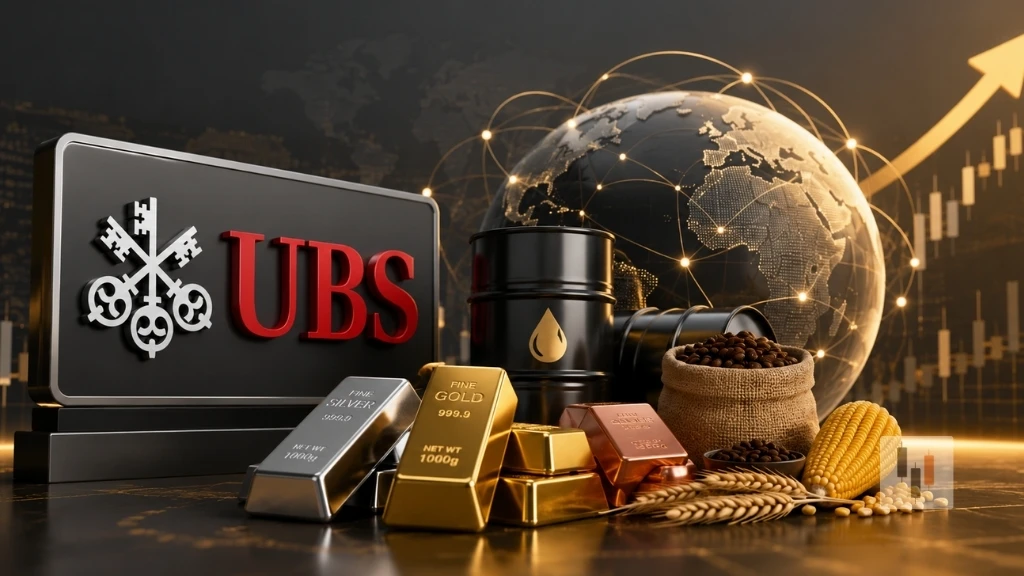
UBS says the current geopolitical environment is making commodities more important in investment portfolios. The firm argues that a broad strategy across the commodity sector helps investors tap into different trends, while also giving them diversification and protection against inflation. Rising geopolitical tensions, long term demand for metals, agricultural risks from weather, and steady support for gold are central to UBS’s outlook.
The recent turmoil in the Middle East has triggered concerns about energy supplies, but UBS points out that the commodity market’s strength goes well beyond just geopolitics. Different parts of the commodity market move for different reasons, so UBS emphasizes the need for broad exposure and active management as market leaders shift.
Why UBS Says Geopolitical Risk Supports Commodity Exposure
UBS highlights that instability in the Middle East is a reason to keep a broad commodity allocation. The recent US–Iran conflict has raised concerns about global energy. US President Donald Trump says he has paused new strikes on Iran, hoping to quickly make a deal and reopen the Strait of Hormuz. Still, the conflict has spread into other regions.
UBS’s report also notes that Houthi attacks, linked to Iran, have disrupted energy shipping from the Red Sea, keeping the focus on possible disruptions in shipping and production that could affect energy markets. UBS believes energy commodities can help buffer investment portfolios if these disruptions continue.
Despite the global tension, the commodity market has bounced back from its late June lows. The UBS CMCI Composite total return index (USD) shows commodities have risen 22.8% year to date. UBS sees this rebound as proof of both changing market mood and supportive conditions across basic materials.
The firm says commodities remain useful because they have historically shown low correlations with both equities and bonds. From January 1999 through May 2026, commodities had a 0.44 correlation with world stocks and -0.04 with US bonds. UBS says these numbers show that commodities add something different to a balanced portfolio.
The report points out that a diversified, regularly updated commodity mix is a simple way to capture the benefits of this asset class. At the same time, selective investment choices can create additional value when investors have strong conviction about specific opportunities. But UBS warns that investors need to understand the risks, volatile prices and the extra costs that come with trading futures or owning physical assets.
Industrial Metals, Agriculture, and Gold Remain Key Areas of Focus
UBS points to longer-term trends alongside short-term geopolitics, several of which are keeping parts of the commodity market appealing. Industrial metals remain one of its preferred areas because of the demand coming from AI infrastructure and electrification.
The report specifically points to copper being well placed for the long run. Investments into AI and electrification, UBS says, continue to lift the outlook for metals like copper. The firm also suggests that investors with substantial allocations and significant unrealized profits in gold should consider adding copper, aluminium, and agricultural commodities to diversify returns.
Agricultural commodities are also expected to benefit from weather risks. Forecasters put the chance of a very strong El Niño developing between October and December at 81%, with a 97% probability the conditions persist into early 2027. UBS thinks this pattern could push agricultural prices higher.
Gold continues to play an important role within the broader commodity allocation. The World Gold Council says investment and jewellery demand has recently softened, but UBS notes central banks and over-the-counter buyers stayed active in the second quarter. Central banks are likely to keep buying gold and diversifying their reserves, even though the gold market faces some challenges in the near term. UBS therefore treats gold as a strategic diversifier.
UBS lists several routes for getting into commodities, such as broad commodity indices, ETFs, ETCs, and structured products. The group expects commodities to keep playing a big role in portfolios, driven by mismatches between supply and demand, geopolitical threats, and the global shift in energy. Given the elevated level of market volatility, UBS says it is sticking to broad commodity bets and active management.
Also read: Gold Slips Below $4,000 as Oil Rebound Revives Rate-Hike Fears