Key highlights:
- Michael Burry expects Nvidia to report strong quarterly results but believes the earnings announcement could give investors an opportunity to exit.
- Uncertainty surrounding Jensen Huang’s leadership could weaken Nvidia’s influence over customers and also affect future sales arrangements.
- Nvidia’s investments in companies that purchase its chips have raised questions about the financing supporting AI demand.
- Burry warns that weaker customer commitments and increased regulatory scrutiny could slow growth and put pressure on profit margins.
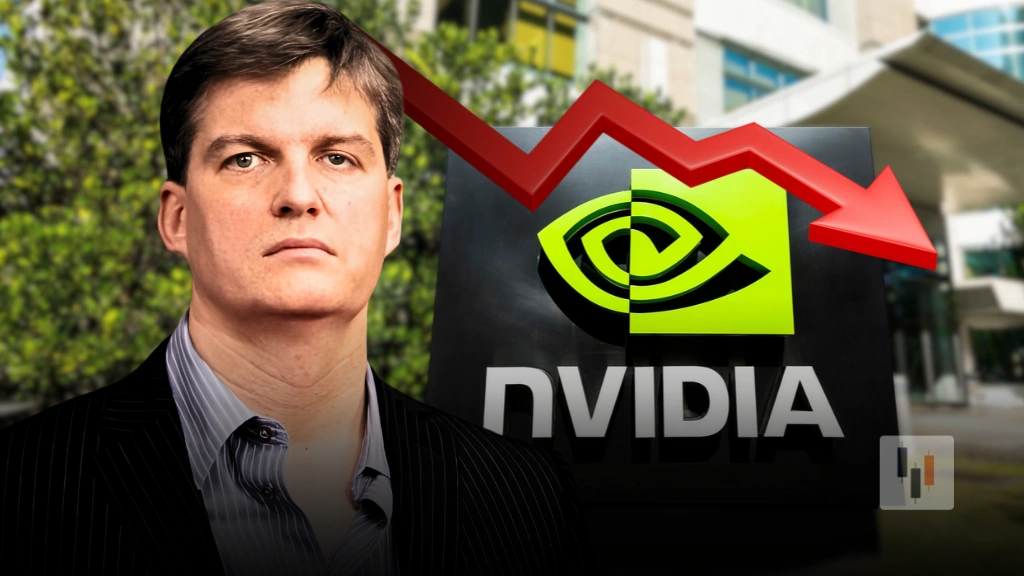
Nvidia is moving towards another major earnings announcement with strong revenue expectations, but investor Michael Burry believes the company’s impressive financial performance may hide risks that could show up over time. His concerns extend beyond the possibility of a leadership change, covering the financing arrangements, customer relationships and business practices supporting Nvidia’s expansion in the artificial intelligence industry.
Burry argues that the uncertainty surrounding CEO Jensen Huang could expose weaknesses in the company’s existing business structure. He also believes that Nvidia’s investments in businesses that buy its chips have created financial connections that could become problematic if funding slows down. Although he expects the upcoming results to remain strong, he sees potential challenges for the company’s longer-term growth and profitability.
Burry Sees Strong Earnings As An Opportunity For Nvidia Investors To Exit
Despite this outlook, Burry does not expect Nvidia’s next earnings report to reflect the impact of its current leadership concerns. He believes the business arrangements behind the quarter have already been established, which means any disruption would take time to appear in the financial results.
Nvidia is scheduled to report results for the quarter ended October 25. The company previously forecast revenue of $108 billion, plus or minus 2%, and gross margins of approximately 74%.
According to Koyfin, revenue is expected to increase 13% quarter over quarter to $109.01 billion. Adjusted earnings per share are expected to rise 11% to $2.47, while EBITDA could grow 12% to $73.08 billion.
Fiscal AI estimates suggest revenue could nearly double year over year to $108.4 billion. Earnings per share are expected to reach $2.46, compared with $1.25 previously, while EBITDA could increase to $72.9 billion from $37.35 billion.
Burry believes these strong numbers could provide investors with an opportunity to sell. His argument is that the upcoming performance reflects orders and arrangements already in place, rather than the potential impact of future changes in customer behaviour.
Breaking: Michael Burry says to “get out” of Nvidia $NVDA before it’s too late
Burry’s reasonings:
1. Without Huang, customers are free to “slow down deals, push back, renegotiate terms, or simply walk to a competitor”
2. Nvidia financed customer purchases through special vehicles and hidden debt, creating “tremendous leverage in the system”
3. Huang pushed customers to buy chips they didn’t need yet by threatening to cut their future allocations
4. Its growth may slow and “critically, its margins may fall”
With Jensen Huang out, Burry says “Nvidia bulls will have another fluffy big chance to get out. Get out.”
— Michael Burry Stock Tracker ♟ (@burrytracker) November 12, 2026
Jensen Huang’s Leadership Uncertainty Raises Questions About Customer Relationships
Burry’s concerns mainly focus on Huang’s influence over Nvidia’s customers and business partners. The company’s board launched an independent inquiry into whether foreign intelligence had targeted Huang. Directors backed him, stating they had no reason to believe company secrets or US national security had been compromised. However, reports about two extramarital affairs reportedly led directors to consider removing him.
Burry questions whether CFO Colette Kress or another successor could take over Huang’s responsibilities without disrupting existing relationships. He believes the CEO’s influence has played an important role in securing customer commitments and maintaining Nvidia’s position in negotiations.
Without Huang, customers could become more comfortable delaying purchases, renegotiating existing terms or considering competitors. Burry also alleges that Nvidia pressured customers to purchase chips before their data centres were ready by warning that future allocations could be reduced.
If these buyers begin challenging such arrangements, Nvidia could lose some of its negotiating advantage. This may affect both sales growth and the company’s ability to maintain its existing margins.
AI Financing, Customer Pushback And Regulatory Risks Add To Nvidia’s Challenges
Another major concern for Burry is the financial network supporting demand for Nvidia’s chips. He argues that investments made by Nvidia in companies that purchase its products could affect sales if funding across the AI industry slows.
Nvidia purchased $42.4 billion in equity securities during the six months ended July 26. In August, it announced preliminary partnerships with six financial groups, including Apollo and BlackRock, aimed at mobilising more than $500 billion for AI infrastructure over time.
Burry has also pointed to substantial borrowing across the system, claiming that leverage could reach upwards of 76 times. He believes continued access to funding has helped accelerate AI infrastructure spending and chip purchases.
If financing becomes less available, customers may reduce orders or postpone infrastructure projects. Nvidia could also face investment write-offs, while tighter financial support may weaken demand across its customer network.
Regulatory scrutiny presents another challenge. The US Justice Department was already examining Nvidia’s investments and sales practices before the leadership controversy. Burry expects further attention on these arrangements, as well as the company’s chip sales to China.
He believes customers may become more willing to challenge Nvidia’s purchasing terms as regulatory pressure increases. With data centres requiring time to become operational and new GPU generations arriving rapidly, delays in infrastructure development could create additional pressure.
Although Burry does not expect Nvidia’s business to disappear, he warns that slower growth and weaker pricing power could eventually affect its profitability. In his view, the company’s technology remains valuable, but its dependence on financing arrangements and customer relationships creates risks that investors should not overlook.
Also read: US Stocks Fall as Hot Inflation Data Raises Fed Rate Hike Bets