
Key Highlights:
- Singapore Exchange shares have plunged 19% since their August 26 record high.
- Citigroup held its sell rating, decreased its price target to S$17.70 and positioned the stock on a 90-day negative catalyst watch.
- SGX trades at nearly 26 times forward earnings, above its 10-year average of 22 times, while concentrated bank trading and torpid iron-ore activity reveal risks.
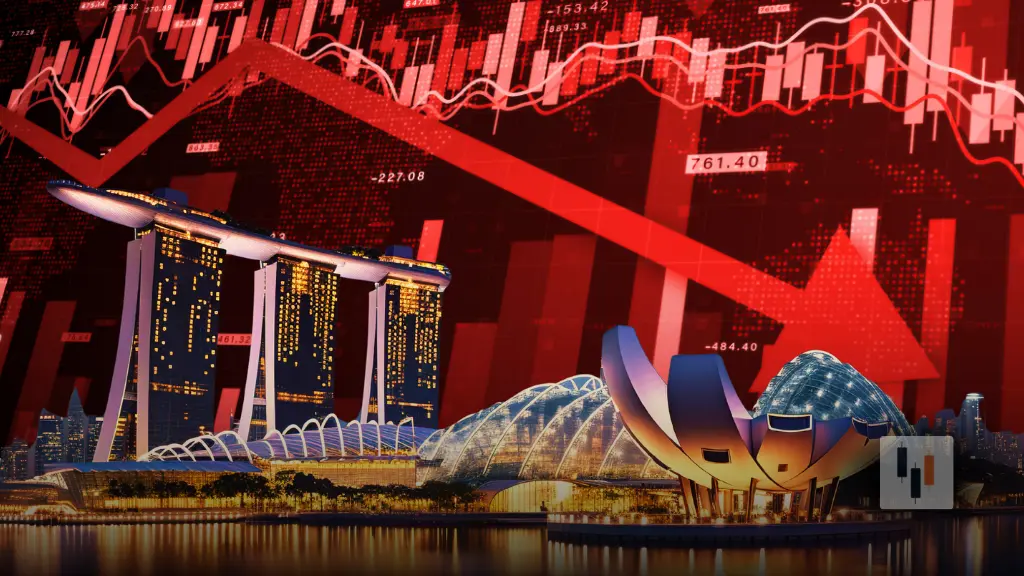
Singapore Exchange Ltd. (SGX) shares extended their fall on Monday, October 5, 2026, as issues over elevated assessments and potential earnings pressures weighed on the stock. The exchange operator has lost around $4.2 billion in market value since reaching a record high on August 26. Its shares have faced a 19% decline over the period. The selloff has pushed multiple analysts to cautiously take a step.
Citigroup lowered its price target and placed SGX on a 90-day negative catalyst watch while sustaining a sell rating. JPMorgan Chase downgraded the stock to neutral last week, while Macquarie had decreased its recommendation to underperform in mid-September. The reversal comes after SGX ranked among the Straits Times Index’s strongest performers earlier in 2026.
Why Are Analysts Becoming More Cautious on Singapore Exchange Shares?
The recent plunge indicates escalating concerns about SGX’s valuation and the risks that come with the clustered trading activity in Singapore’s largest bank stocks. Citigroup analyst Yong Hong Tan identified concentrated stock trading in the major banks as a salient market risk. In an October 2 note, Tan advised that instability among global banks could leave the Straits Times Index susceptible to vulnerability, and may affect the market activity and sentiment towards SGX.
The exchange’s earlier rally had been supported by growing institutional interest in Singapore’s equity market, especially its heavyweight bank shares. However, that power has since reversed, leaving SGX among the weakest performers on the benchmark index over the timeline since its August peak. Other analysts have also turned more cautious. JPMorgan Chase downgraded SGX to neutral last week, while Macquarie cut its recommendation to underperform in mid-September. Citi maintained its sell rating and introduced a 90-day negative catalyst watch, hinting concerns about probable near-term pressures on the stock.
Assessment remains another issue. Despite the 19% fall, SGX shares trade at nearly 26 times their projected earnings over the next 12 months. This is above the exchange’s 10-year average of 22 times earnings and considerably more than the Straits Times Index multiple of around 16 times. The gap indicates that stakeholders are still paying a premium for SGX shares, even after the recent sell-off, with analysts questioning whether the assessment is justified. The stock could remain vulnerable to changes in market activity, earnings expectations, and stakeholder sentiment.
How Could Earnings Pressures and Market Instability Affect SGX?
Citigroup has decreased its earnings estimates for SGX, adding another issue for stakeholders evaluating the exchange’s prospects. The bank pointed to slow iron ore trading as a potential drag on fees generated from derivative contracts. Derivatives activities are a crucial part of an exchange operator’s business, making trading volumes and market participation relevant to its earnings prospects. If activity in iron ore contracts remains stable, the associated fee income could come under pressure.
Citigroup lowered its price target for SGX to S$ 17.70 per share, implying potential downside of nearly 16% from Friday’s closing price. The target cut came as the stock continued to lose ground, plunging as much as 2.1% on Monday after dropping more than 7% in the prior session.
Market instability presents another drawback. Tan’s warning about clustered trading in major bank stocks emphasizes how SGX’s performance could be affected if sentiment toward those shares deteriorates. A broader selloff among global banks could also increase instability in Singapore’s benchmark index.
The exchange’s recent fall marks a crucial change from its performance earlier in this year. This is when institutional interest in the local equity market helped support its shares. However, the blend of a premium assessment, lower earnings estimate and ambiguity around trading activity has pushed analysts to reevaluate the stock.
For stakeholders, the key factors to watch are whether SGX can sustain trading activity, how derivatives fees develop and whether its valuation moves closer to historical levels. The latest analyst actions signal that confidence has weakened, although the stock’s future direction will rely on how these risks evolve.